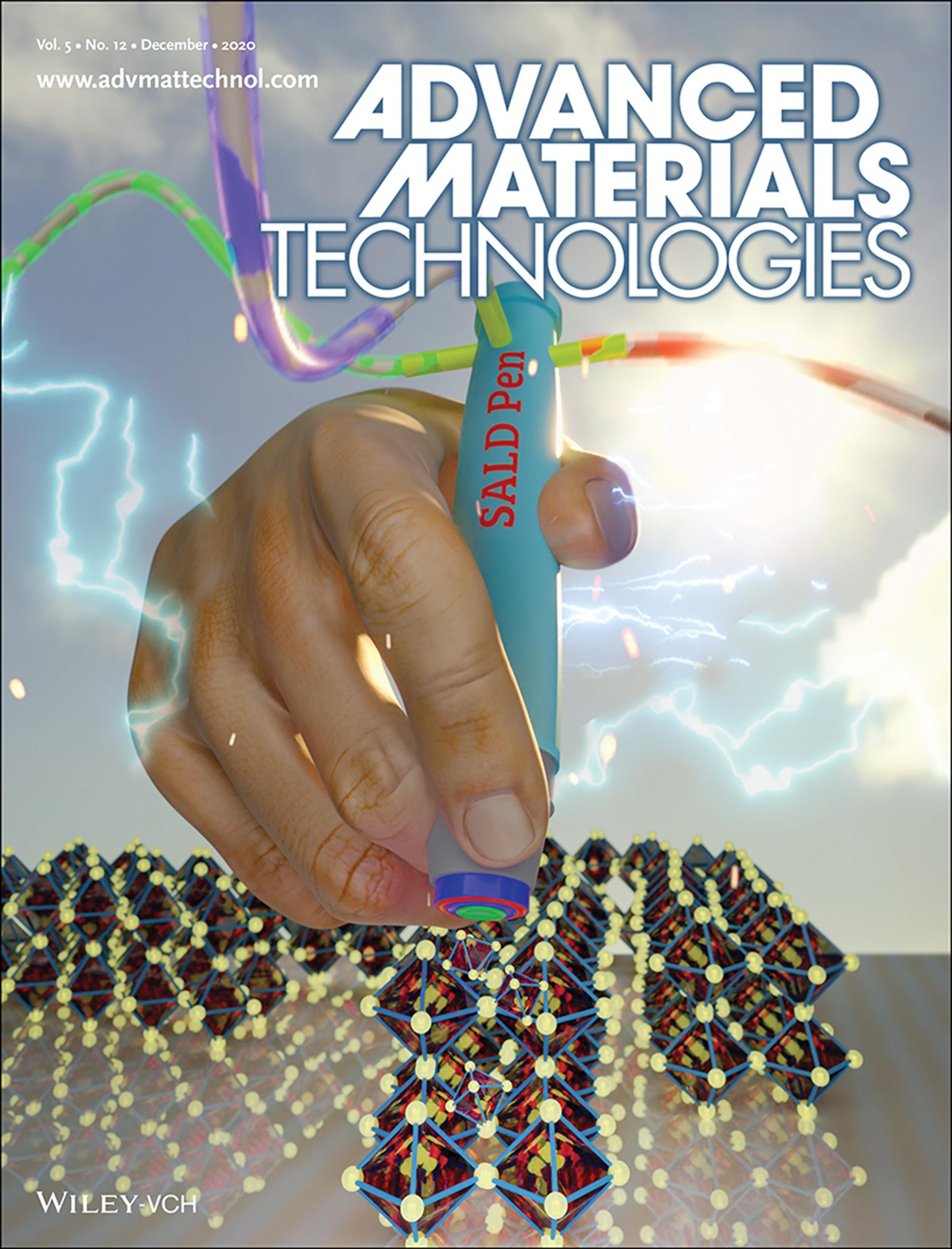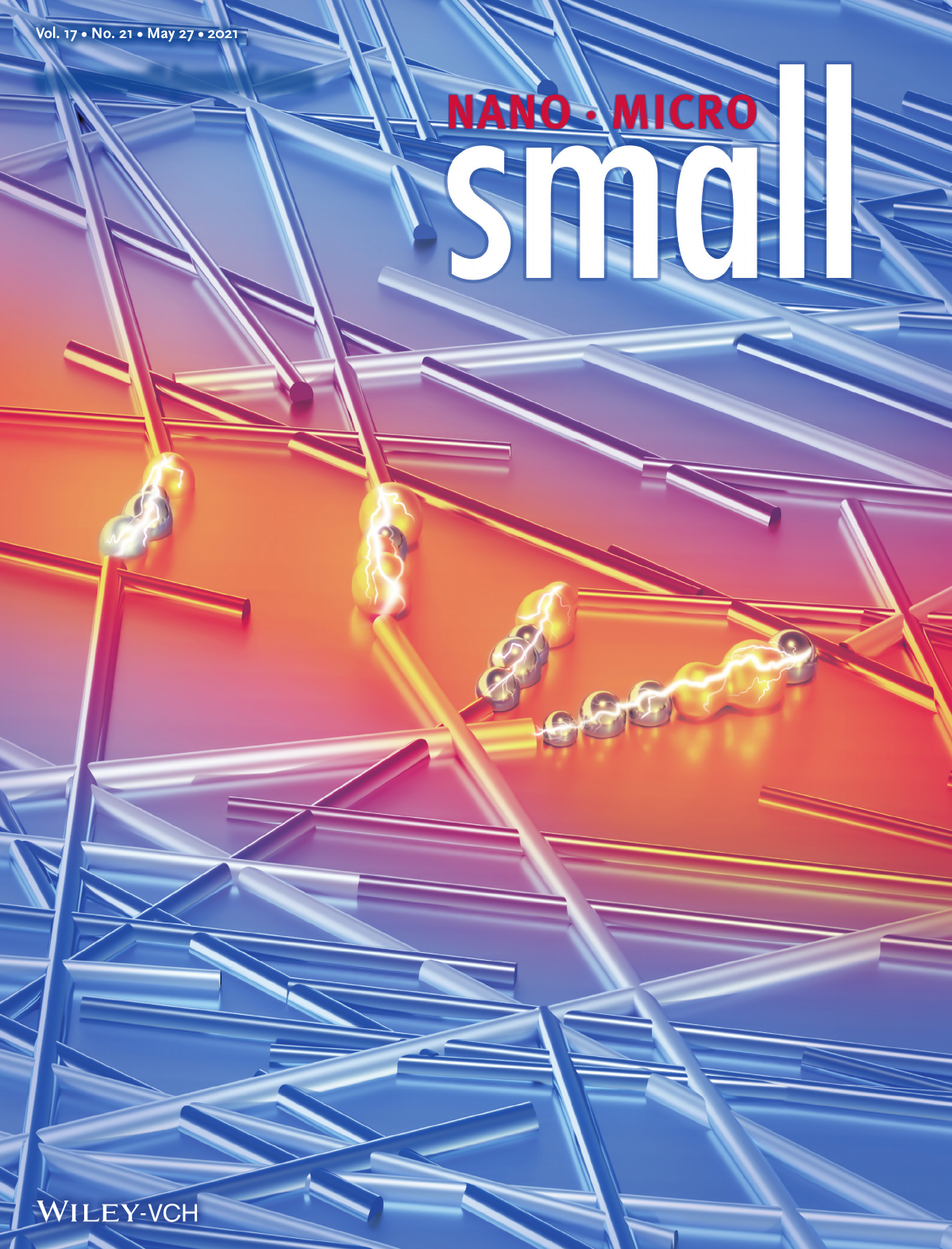
Spatial atomic layer deposition (SALD) is an alternative to conventional ALD in which the precursors are continuously injected in different locations of the reactor, being separated by a flow of inert gas. As a result, SALD is up to orders of magnitude faster than conventional ALD, achieving deposition rates more typical of CVD. In addition, SALD can easily be performed at atmospheric pressure an even in the open air, i.e. without the need of a deposition chamber. At the same time, the unique assets of ALS, namely, the thickness control at the nanometer, the high conformality and the deposition of high quality materials at low temperatures (RT to 350 C), are maintained. At LMGP, we work with the close-proximity approach based on a manifold head, initially reported by D. Levy et al. from Kodak. More info on the principle of SALD and a video of one of our systems can be found here. The SALD research is structured in three main lines:
1.- Design and optimization of the SALD reactors. The SALDs at LMGP have been designed and fabricated in the lab. The systems have been conceived to be easily adapted to different types of samples, materials and reaction activation. Computational Fluid Dynamic (CFD) simulations are used to guide our designs. 3D printing is used to prototype our new concepts, offering a huge degree of freedom. We also implement atmospheric plasma activation and laser material processing through collaborations. We are also developing an automatic SALD system to apply ML approaches within the project DIADEM.
2.- Fundamental studies. This line includes the characterization (including in situ) of the reaction mechanisms and the study of the effect of open-air processing in the properties of the materials deposited. We also tackle the deposition of new materials and materials which have not beed deposited by SALD before. These include oxides, metals and hybrid materials. For that, new precursors are explored thanks to different collaborations with synthetic chemistry groups. The materials currently deposited at LMGP include: Al2O3, ZnO, ZnO:Al (AZO), TiO2, SiO2, Cu2O, NiO, SnO2, ZrO2, CeO2, Y2O3, HfO2, and MgO. Our fundamental studies have allowed to develop a new theoretical model for the conductivity of polycrystalline oxide semiconductive films and to obtain Cu2O thin films with record conductivity and mobility.
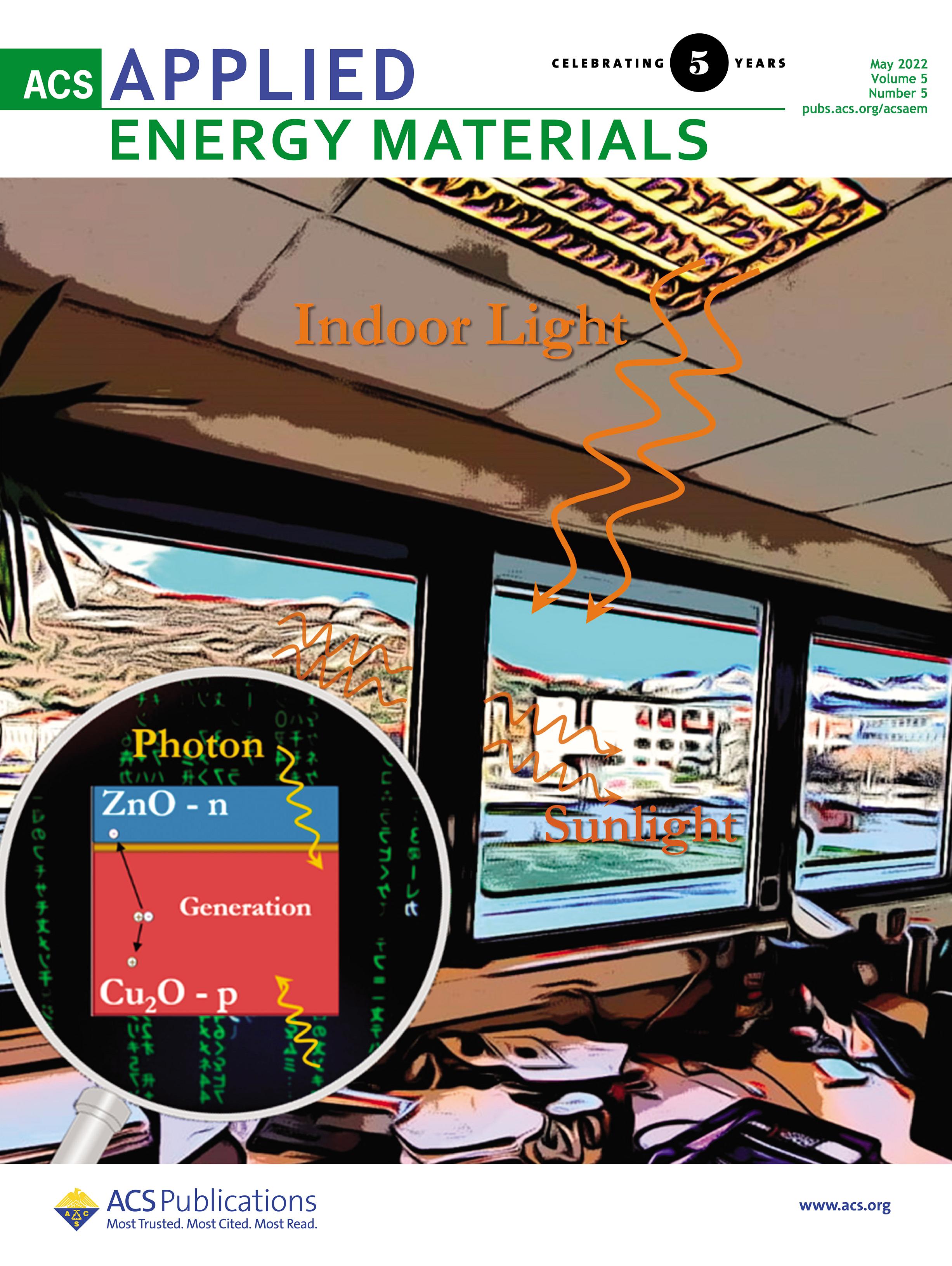
3.- Application to devices. Through different collaboration inside and outside the LMGP, the films developed by the team are pplied in functional materials and devices. In particular, we focus on the study of transparent conductive materials for different optoelectronic devices. Other devices include thin film transistors, sensors, MIM diodes, etc…
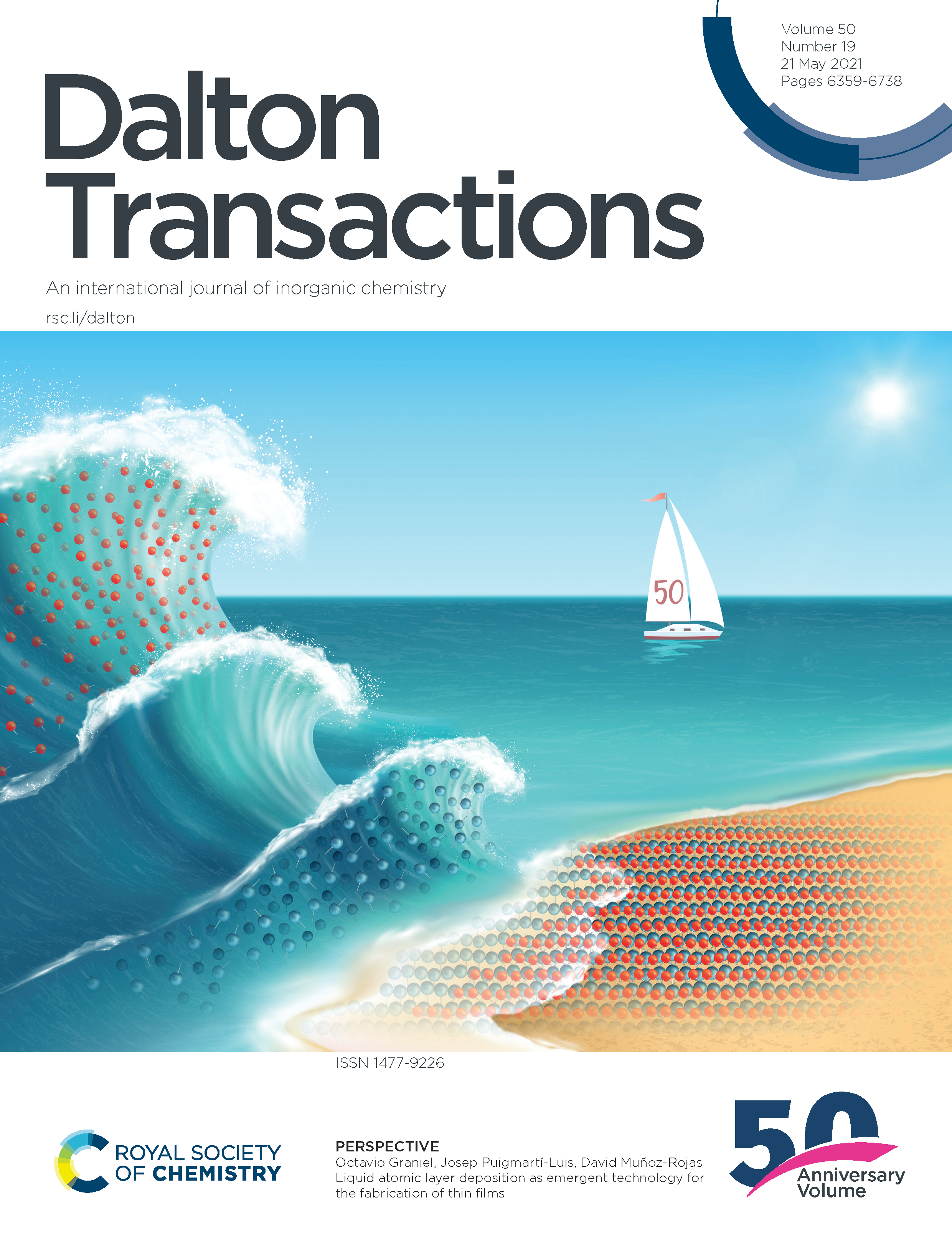
In addition to SALD, we are also exploring Liquid Atomic Layer deposition approaches. Finally, we care about the sustainability of our processes and materials and for that we develop LCA analysis
Permanent Staff
Non permanent staff
PhD students:
Liam Johnston
Aubin Parmentier
Hamza Pervez
Umaid Lone
Joël REB
Postdocs:
Viajaya Paul Raj
Samuel Porcar Garcia
Engineer:
Sylvain Boegeat
Liam Johnston
Aubin Parmentier
Hamza Pervez
Umaid Lone
Joël REB
Postdocs:
Viajaya Paul Raj
Samuel Porcar Garcia
Engineer:
Sylvain Boegeat
5 publications séléctionnées
[1] H. Okcu et al. Nanoscale 17, 17544 (2025)
Multi-Head Spatial Atomic Layer Deposition: A Robust Approach for Precise Doping and Nanolaminate Fabrication in Open-Air Environments
[2] H. Okcu et al. Applied Surface Sciences 696, 162945 (2025)
Open-Air Deposition of Submicron Self-Textured ZnO Thin Films with High Piezoelectric Coefficients and Oxygen Polarity
[3] M. Akbari et al. APL Materials 12, 061119 (2024)
Gas Phase Growth of Metal-Organic Frameworks on Microcantilevers for Highly Sensitive Detection of Volatile Organic Compounds
[4] M. Niazi et al. ACS Sustainable Chemistry & Engineering 41, 15072 (2023)
Comparative study of the environmental impact of depositing Al2O3 by Atomic Layer Deposition and Spatial Atomic Layer Deposition
[5] A. Sekkat et al. Nature Communications, 13, Article number: 5322 (2022)
Chemical deposition of Cu2O films with ultra-low resistivity: Correlation with the defect landscape.
Multi-Head Spatial Atomic Layer Deposition: A Robust Approach for Precise Doping and Nanolaminate Fabrication in Open-Air Environments
[2] H. Okcu et al. Applied Surface Sciences 696, 162945 (2025)
Open-Air Deposition of Submicron Self-Textured ZnO Thin Films with High Piezoelectric Coefficients and Oxygen Polarity
[3] M. Akbari et al. APL Materials 12, 061119 (2024)
Gas Phase Growth of Metal-Organic Frameworks on Microcantilevers for Highly Sensitive Detection of Volatile Organic Compounds
[4] M. Niazi et al. ACS Sustainable Chemistry & Engineering 41, 15072 (2023)
Comparative study of the environmental impact of depositing Al2O3 by Atomic Layer Deposition and Spatial Atomic Layer Deposition
[5] A. Sekkat et al. Nature Communications, 13, Article number: 5322 (2022)
Chemical deposition of Cu2O films with ultra-low resistivity: Correlation with the defect landscape.
Articles de Revue
[1] Spatial Atomic Layer Deposition for Energy and Electronic Devices
Robert L. Z. Hoye*, David Muñoz-Rojas*, Zhuotong Sun, Hayri Okcu, Hatameh Asgarimoghaddam, Judith L. MacManus-Driscoll, Kevin P. Musselman*
PRX Energy, 2025, 4, 017002
[2] Assessing the environmental impact of Atomic Layer Deposition (ALD) processes and pathways to lower it.
Matthieu Weber* Nils Boysen, Octavio Graniel, Abderrahime Sekkat, Christian Dussarrat, Paulo Wiff, Anjana Devi, David Muñoz-Rojas
ACS Materials Au, 2023, 3, 4, 274–298
[3] Liquid atomic layer deposition as emergent technology for the fabrication of thin films
Octavio Graniel,* Josep Puigmartí-Luis*, David Muñoz-Rojas*
Dalton Transactions, 2021,50, 6373-6381
[4] Speeding up the unique assets of atomic layer deposition
David Muñoz-Rojas*, Tony Maindron, Alain Estevec, Fabien Piallat, Jacques C. S. Kools, Jean-Manuel Decams
Materials Today Chemistry, 2019, 12, 96-120.
[5] Spatial Atmospheric Atomic Layer Deposition: A new laboratory and industrial tool for low-cost photovoltaics
David Muñoz-Rojas*, and Judith L. MacManus-Driscoll.
Materials Horizons, 1, 314-320, 2014.
Robert L. Z. Hoye*, David Muñoz-Rojas*, Zhuotong Sun, Hayri Okcu, Hatameh Asgarimoghaddam, Judith L. MacManus-Driscoll, Kevin P. Musselman*
PRX Energy, 2025, 4, 017002
[2] Assessing the environmental impact of Atomic Layer Deposition (ALD) processes and pathways to lower it.
Matthieu Weber* Nils Boysen, Octavio Graniel, Abderrahime Sekkat, Christian Dussarrat, Paulo Wiff, Anjana Devi, David Muñoz-Rojas
ACS Materials Au, 2023, 3, 4, 274–298
[3] Liquid atomic layer deposition as emergent technology for the fabrication of thin films
Octavio Graniel,* Josep Puigmartí-Luis*, David Muñoz-Rojas*
Dalton Transactions, 2021,50, 6373-6381
[4] Speeding up the unique assets of atomic layer deposition
David Muñoz-Rojas*, Tony Maindron, Alain Estevec, Fabien Piallat, Jacques C. S. Kools, Jean-Manuel Decams
Materials Today Chemistry, 2019, 12, 96-120.
[5] Spatial Atmospheric Atomic Layer Deposition: A new laboratory and industrial tool for low-cost photovoltaics
David Muñoz-Rojas*, and Judith L. MacManus-Driscoll.
Materials Horizons, 1, 314-320, 2014.
Projects
ANRI REACTIVE (2022-2026, coordinateur)
Type : Agence Nationale de la Recherche, appel PRCI
Titre : New Spatial Atomic layer deposition precursors and plasma processes towards functional materials for advanced applications
Partenaires: GREMI (Orleans), ICUBE (Strasbourg), IFW Dresden (Germany)
PEPR DIADEM, FLAGSHIP PROJECT FASTANANO (2022-2026, partenaire)
Type : PEPR exploratoire
Titre : Dispositifs Intégrés pour l’Accélération du Déploiement de Matériaux Emergents
PROJECT SMART4MODULE, within PEPR TASE (2032-2026, partenaire)
Type : PEPR exploratoire
Titre : Building innovative value chains from raw materials to sustainable products
Paternaires: INES (Bourget du Lac), CESM (Neuchâtel)
PROJECT RESILEX (2022-2026, partenaire)
Type : HORIZON-CL4-2021-RESILIENCE-01-07
Titre : Smarter and Eco Innovation building blocks for advanced PV Module
MCDN SUSMATENER (2025-2028, partenaire)
Type : Horizon Europe, appel MCDN PRC
Titre : Sustainable Materials-By-Design for Renewable Energy
Partenaires : Université catholique de Louvain (Louvain la Neuve)
National and international collaborations
- CROMA, Grenoble
- TIMA, Grenoble
- GREMI, Orléans
- ICUBE, Strasbourg
- INES, Bourget du Lac
- IPVF, Palaiseau
- LTM, Grenoble
- INMA, CSIC-Universidad de Zaragoza, Spain
- Aalto University, Finland
- Université catholique de Louvain, Belgium
- IFW Dresde, Germany
- University of Catania, Italy
- University of Waterloo, Canada
Covers