



SCHUMACHER Sebastian
Research activities
Français ➔ Deutsch ➔ Español ➔
Metallic nanowire network composites for solar, thermal, and computational applications
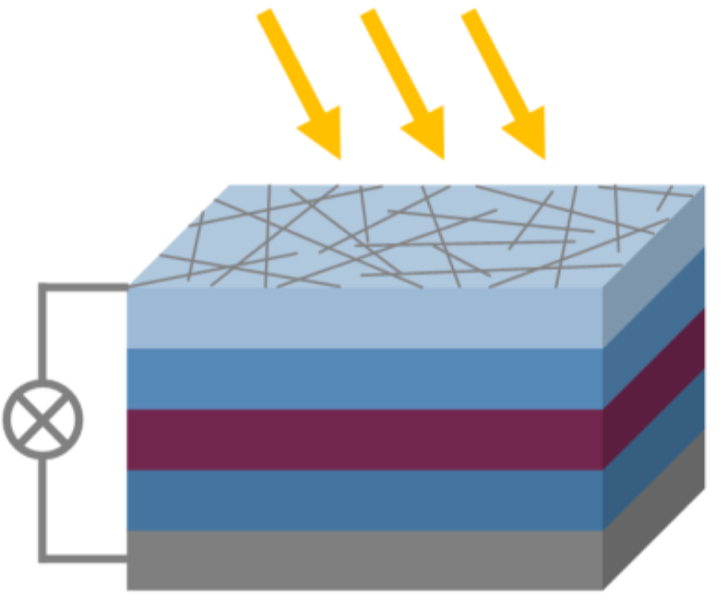
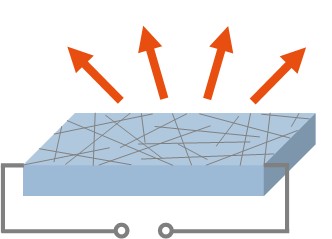
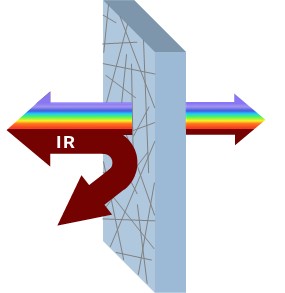
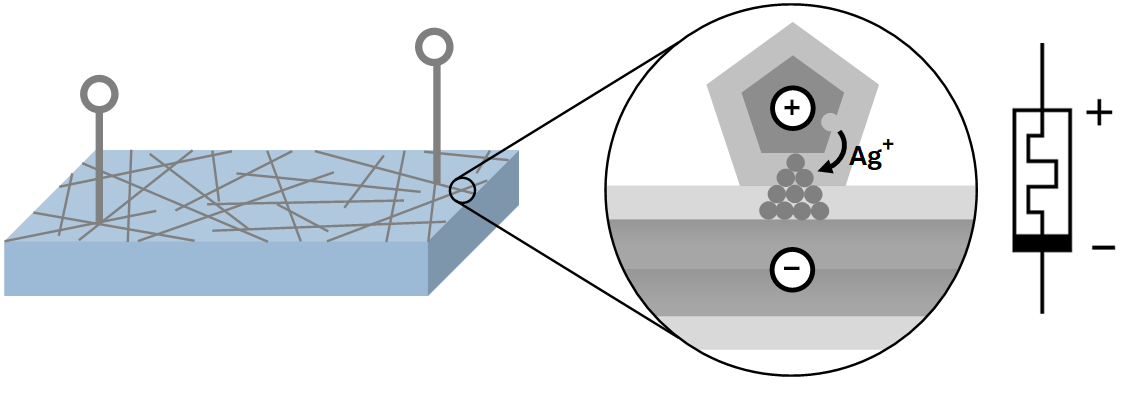
My doctoral research is carried out as a Marie Skłodowska-Curie Doctoral Fellowship at Grenoble INP – UGA and the Universidade Nova de Lisboa in Portugal. I am part of the SusMatEner doctoral network dedicated to sustainable material development. My supervisors are Dorina Papanastasiou, Daniel Bellet at LMGP and Jonas Deuermeier at CENIMAT|i3N. We aim to advance the potential applications of metallic nanowire networks to real sustainable devices. Our approach leans on nanowire coating with proctective metal oxides to improve the so far insufficient stability. By determining optical application parameters in close cooperation with machine learning and lifecycle assessment, we want to move to full devices for energy harvesting, saving, and efficiency in a sustainable manner.- Transparent electrode
-
- Transparent heater
-
- Low-emissivity coating
-
- Neuromorphic reservoir computing
-
Biography
Having studied chemistry in Germany at Universität Leipzig and Georg-August-Universität Göttingen, I first came to the Université Grenoble Alpes as an Erasmus+ exchange student for one year to further my education in nanosciences and nanotechnology. My Master's thesis under the supervision of Daniel Bellet focused on silver nanowire networks for low-emissivity coatings. I joined the LMGP again in partnership with the Universidade Nova de Lisboa for my doctoral research where I expand the scope of our investigations on the other fields of applications mentioned above. Being part of the SusMatEner Doctoral Network, I work together with talented doctoral candidates from around the world to advance the current state of the art to large-scale deployment using materials science experimentation, machine learning, and life-cycle assessment.